
Tanilba Bay Vet
Vet Surgery in Tanilba Bay
- Pet Grooming
- Pet Health Packages
- Surgical Care
Introduction
Minor & Complex Surgery
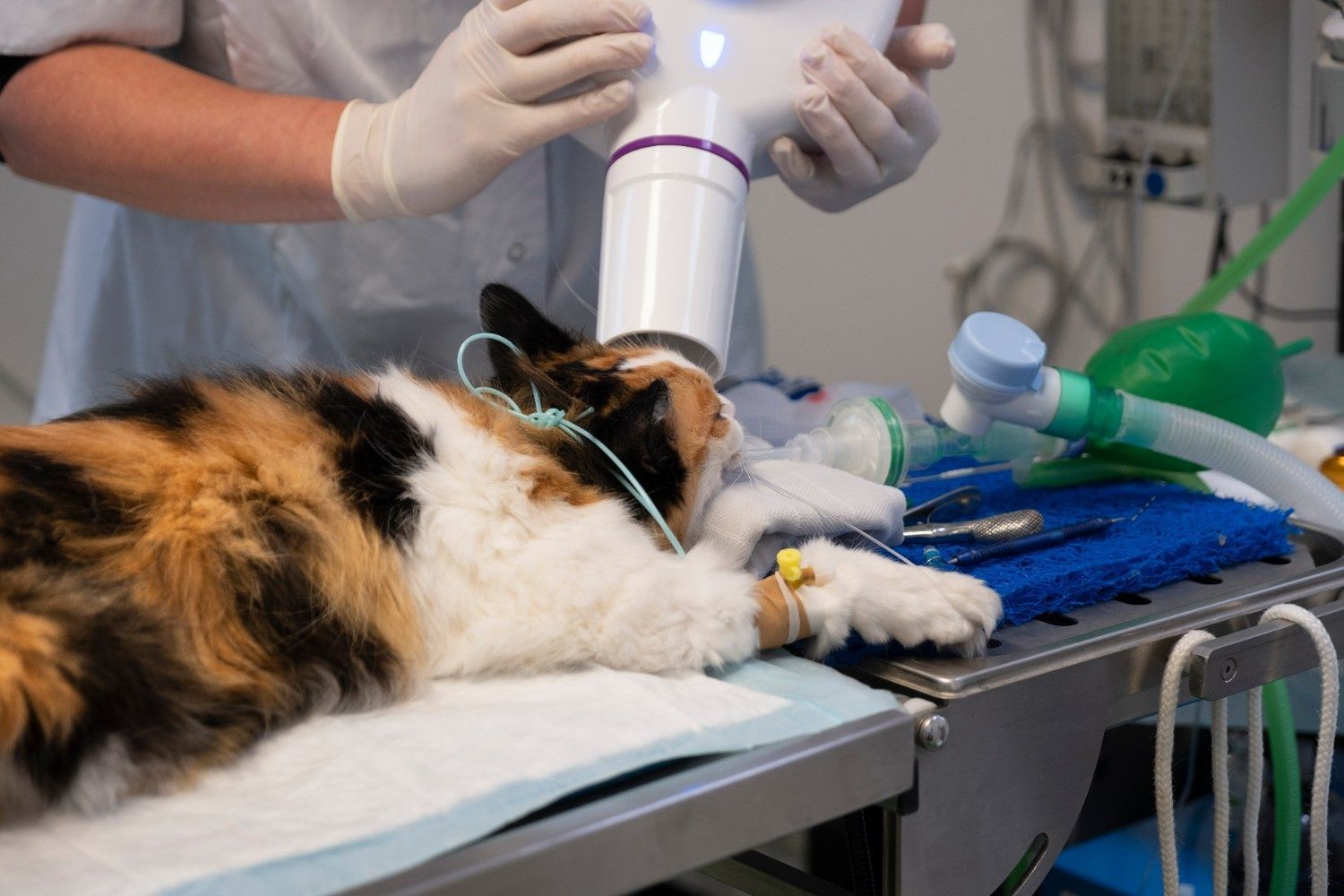
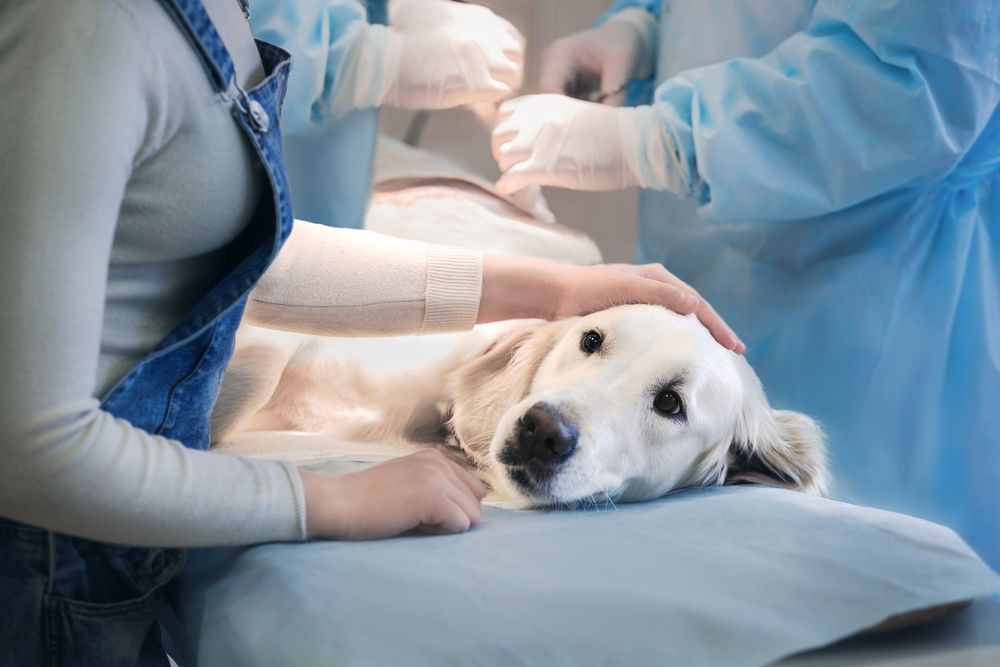
When pets require surgery, it can be an emotional time for owners who want reassurance that their animal is in safe hands. Vet surgery is needed in many situations, from routine desexing to complex procedures such as repairing fractures or removing growths.
At Tanilba Bay Vet, every surgery is approached with a focus on safety, accuracy and compassionate care. Pre-surgical assessments are used to identify potential risks, and anaesthetic protocols are tailored to each animal’s needs. During recovery, the focus is on monitoring and comfort to help reduce stress. Whether the procedure is preventive, corrective or urgent, surgery is an important aspect of veterinary medicine that supports long-term health.
For pet surgical care, call Tanilba Bay Vet today on (02) 4024 2004.
Submit an Enquiry
Thank you for contacting Tanilba Bay Vet.
We will get back to you as soon as possible.
Oops, there was an error sending your message.
Please try again later.
Our Service
Common Types of Veterinary Surgery
Veterinary surgery covers a wide range of procedures, many of which play a vital role in keeping pets healthy:
- Desexing
Routine spaying or neutering helps prevent unplanned litters and can reduce the risk of certain health problems, while also supporting positive behaviour management. - Soft Tissue Surgery
Procedures such as lump removal, hernia repair or bladder stone treatment address conditions that can affect comfort, mobility or quality of life. - Orthopaedic Surgery
Bone and joint procedures are used to treat fractures, ligament injuries or degenerative issues, helping pets regain function and reduce discomfort. - Emergency Surgery
For urgent conditions like foreign body ingestion or internal bleeding, emergency surgery can provide rapid intervention when other treatments are not effective.
These surgeries are carefully chosen based on the individual pet’s health and circumstances.
Need To Know
The Importance of Safety in Pet Surgery
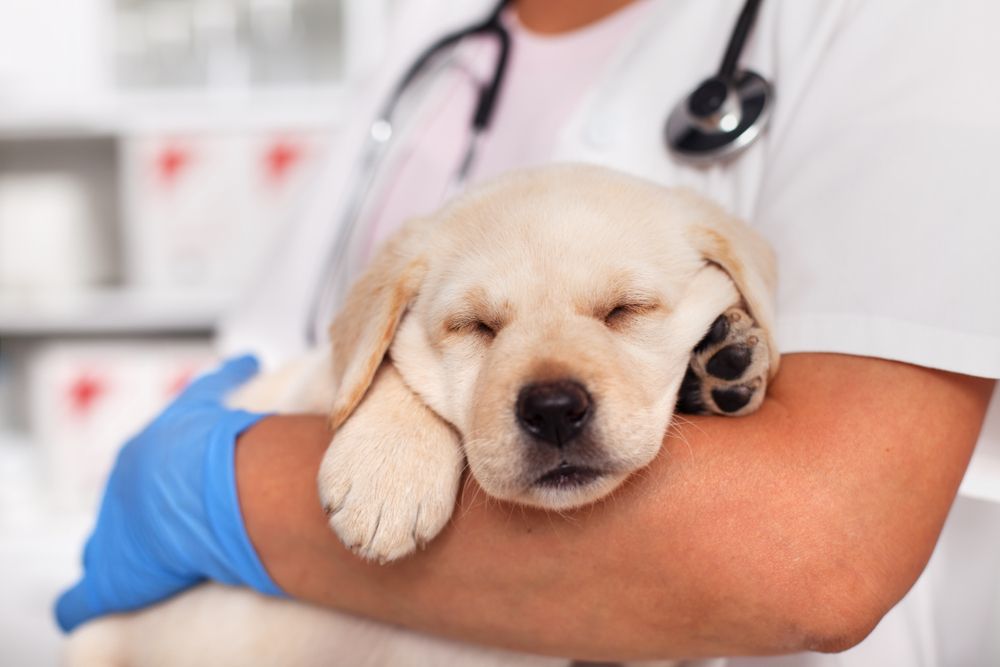
Every surgical procedure requires careful planning to help reduce risks and support the best outcome. Pre-anaesthetic blood testing is often recommended to assess organ function and guide safe choices for medication. Throughout the procedure, our veterinary team use modern monitoring equipment to track vital signs such as breathing, temperature and heart rate. This helps ensure that changes can be responded to quickly and safely.
Recovery protocols are also adjusted to suit each pet’s age, breed and health status, which can make a significant difference in healing. Owners play an essential role in this process by providing a calm recovery environment, following aftercare instructions and returning for post-surgery checks. Taken together, these steps help make surgery as safe and effective as possible.
Need Help?
Frequently Asked Questions
How should I prepare my pet for surgery?
Most pets need to fast for several hours before surgery to reduce anaesthetic risks. Your veterinarian will give specific instructions about food, water and medications. In some cases, blood tests may also be suggested to check organ function and improve safety. Following this guidance closely helps ensure the smoothest surgical experience for your pet.
What risks are involved in veterinary surgery?
All surgeries carry a degree of risk, which can include infection, bleeding or anaesthetic reactions. These risks are carefully managed through pre-surgical checks, sterile environments and constant monitoring during the procedure. Veterinarians aim to reduce complications by tailoring approaches to each pet’s needs. Although risks cannot be eliminated completely, preparation and professional care greatly improve safety.
How long does recovery from surgery take?
Recovery depends on the type of surgery performed and the health of the individual pet. Minor procedures may require only a few days of rest, while more complex surgeries can take several weeks of restricted activity. Your veterinarian will provide specific aftercare instructions and may recommend follow-up visits. Close observation at home is also important to ensure your pet heals comfortably.



